
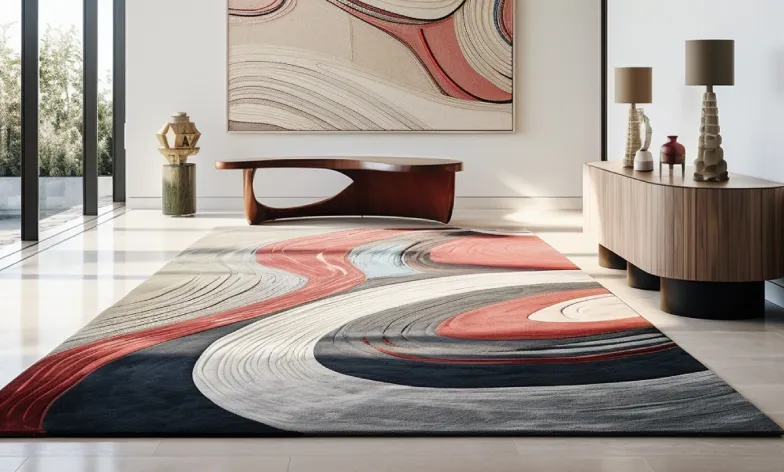
In the world of contemporary interior design, a rug is no longer a historical backdrop; it is a dynamic design element that grounds a room, defines space, and introduces crucial tactile interest. Modern Living Rugs are specifically designed to meet the demands of contemporary aesthetics, prioritizing clean lines, functional materials, and sophisticated tonal palettes. Navigating this category requires a focus on two key elements: Texture and Tone, which dictate the rug’s overall impact on your living space.
The modern approach emphasizes comfort and minimalism. These rugs are perfectly suited for open-concept layouts and minimalist furniture, where they must perform the dual role of art and architecture. They seamlessly integrate with current trends, providing a vital layer of warmth and understated luxury without overwhelming the existing décor.
Mastering Tone: Color Palettes in Modern Design
In modern rugs, tone (color) is used strategically. Instead of the dense, multi-colored narratives found in traditional pieces, modern rugs often utilize monochromatic, bi-chromatic, or limited palettes. This simplicity ensures that the rug integrates rather than clashes with the room’s other elements. Key tonal strategies include:
- Neutrals and Naturals: Cream, beige, grey, and soft charcoal are essential. These tones create a calming, expansive effect, perfect for maximizing the feeling of space in urban apartments.
- Color Blocking: Bold, geometric rugs that use two or three contrasting colors (e.g., navy and white, or mustard and grey) to create a striking focal point without relying on complex patterns.
- Subtle Saturation: Using a single, deep, saturated color—such as forest green or deep teal—to add a luxurious, non-distracting color pop to an otherwise neutral room.
The Power of Texture: Pile Height and Material
In the absence of ornate patterns, texture becomes the primary visual and tactile feature of a modern rug. Texture is achieved through variations in pile height, material choice, and weaving technique. Choosing the right texture impacts both the rug’s look and its functionality:
- Low Pile/Flat Woven: Ideal for dining rooms and areas requiring easy cleaning, these offer a sleek, graphic look and minimal distraction.
- High Pile/Shag: These introduce maximum comfort and warmth, perfect for bedrooms or cozy living areas, creating a soft, inviting atmosphere.
- Material Innovation: Modern rugs often blend sustainable and durable materials. Wool provides timeless softness, while innovative fibers like Tencel or high-grade synthetics offer unique sheen, superior durability, and easy maintenance for busy family life.
Designing with Modern Rugs: Integrating Form and Function
Modern Living Rugs are exceptional at defining functional zones in open-concept spaces. A large, abstract rug can clearly delineate the seating area from a nearby kitchen or hallway. When pairing a modern rug with furniture, aim for balance:
- Simple Furniture, Bold Rug: If your sofa and chairs have simple, solid colors, choose a modern rug with a dynamic, abstract pattern or bold color-blocking to add energy.
- Patterned Furniture, Textured Rug: If your upholstery is already patterned, select a Modern Living Rug with a uniform tone but rich, varying texture (e.g., carved or loop-pile) to add depth without visual clutter.
Ultimately, a Modern Living Rug is an intentional design choice. It is an investment in creating a space that feels contemporary, comfortable, and reflective of a streamlined, sophisticated lifestyle. By focusing equally on the right tone and the perfect texture, you can achieve a truly curated and effortless modern sanctuary.
Leave a Comment