
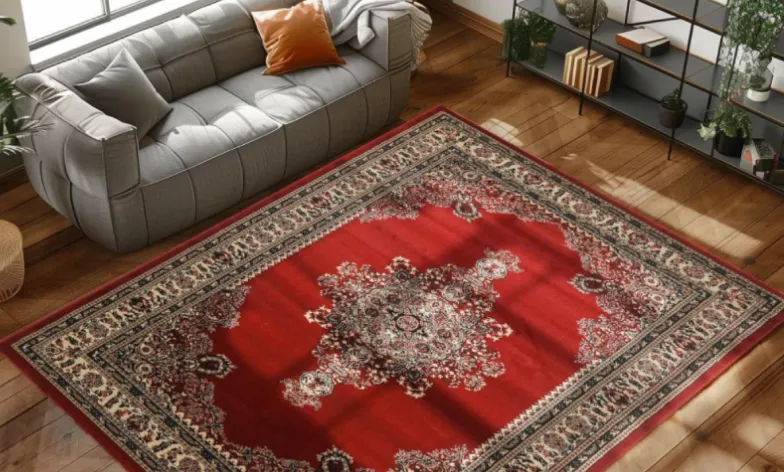
The Persian rug is far more than a floor covering; it is a masterpiece of woven history, a cultural artifact that embodies centuries of artistry, devotion, and intricate storytelling. Originating in ancient Persia, now modern-day Iran, these textiles have captivated the world with their vibrant complexity and enduring quality. To truly appreciate a Persian rug is to understand the language of its knots, colors, and symbols, unlocking a legacy of craftsmanship passed down through generations.
Persian rugs are categorized not by a single style, but by their city of origin or the specific tribal group that wove them. Cities like Isfahan, Tabriz, Kerman, and Kashan are renowned for their distinct, sophisticated styles, each with unique patterns and color palettes. A Kerman rug, for instance, might be known for its soft pastels and elegant floral motifs, while a Tabriz rug is often celebrated for its dense knotting and detailed central medallions.
The Language of Knots: Construction and Quality
The core of a Persian rug"s value lies in its construction. These are almost exclusively hand-knotted textiles, a laborious process where each knot is individually tied to the warp threads. The number of knots per square inch (KPSI) is the primary determinant of a rug"s fineness and value. A higher KPSI means a denser, more durable, and infinitely more detailed design, often requiring years to complete. For example, a fine Isfahan or Nain rug can easily exceed 400 KPSI, showcasing microscopic detail.
Persian weavers predominantly use wool (often local, high-quality sheep’s wool) or silk. Wool provides durability and natural luster, while silk is reserved for the most luxurious and delicate pieces, known for their breathtaking sheen and exceptional fineness. The foundation (warp and weft) is typically made of cotton or silk, providing a stable structure for the thousands of knots tied upon it.
A Symphony of Color: Natural Dyes and Palette
Authentic Persian rugs owe their rich, saturated hues to natural dyeing techniques derived from plants, roots, and insects. Indigo for blues, madder root for reds, and pomegranate rinds for yellows are just a few examples of the organic sources used. The skill of the dyer is paramount, as achieving a consistent color and ensuring its longevity—a phenomenon known as "abrash" (subtle color variations due to dye batch changes)—requires deep expertise.
The color palette is often dictated by the region. While Tabriz designs might utilize bold reds and blues, many tribal rugs, like those from the Qashqai people, often feature darker, earthier tones. Regardless of the region, the colors are deliberately chosen to enhance the symbolic weight of the patterns they contain.
Decoding the Motifs: Symbolism and Storytelling
Every element in a Persian rug is symbolic, transforming the floor into a metaphorical garden, a map, or a prayer space. Understanding these motifs is key to decoding the rug"s narrative:
- The Medallion: Often placed at the rug"s center, it represents the Eye of God, eternity, or the entrance to a beautiful garden, symbolizing a pool reflecting the dome of a mosque.
- The Garden of Paradise (Four Rivers): The overall layout often resembles a formal Persian garden (chahar bagh), symbolizing paradise on earth.
- Boteh (Paisley): A recurring teardrop shape symbolizing a cypress tree (eternal life) or a flame.
- Tree of Life: Represents the direct path from earth to heaven, often featured in prayer rugs.
- Animals and Figures: Lions symbolize power, birds symbolize faith or hope, and often depict scenes from hunting or legendary tales.
Investment and Legacy: The Enduring Value
Persian Heritage Rugs are prized not only for their beauty but also as tangible investments. Unlike many manufactured goods, a high-quality, hand-knotted Persian rug can appreciate in value over time, provided it is well-maintained and has strong provenance. Their durability means they are built to withstand generations of use, becoming valuable family heirlooms.
Acquiring a Persian Heritage Rug is an investment in art, culture, and history. It is a decision to bring a timeless, unparalleled piece of craftsmanship into your home, ensuring that the legacy of ancient Persian weaving continues to unfold in your living space.
Leave a Comment